
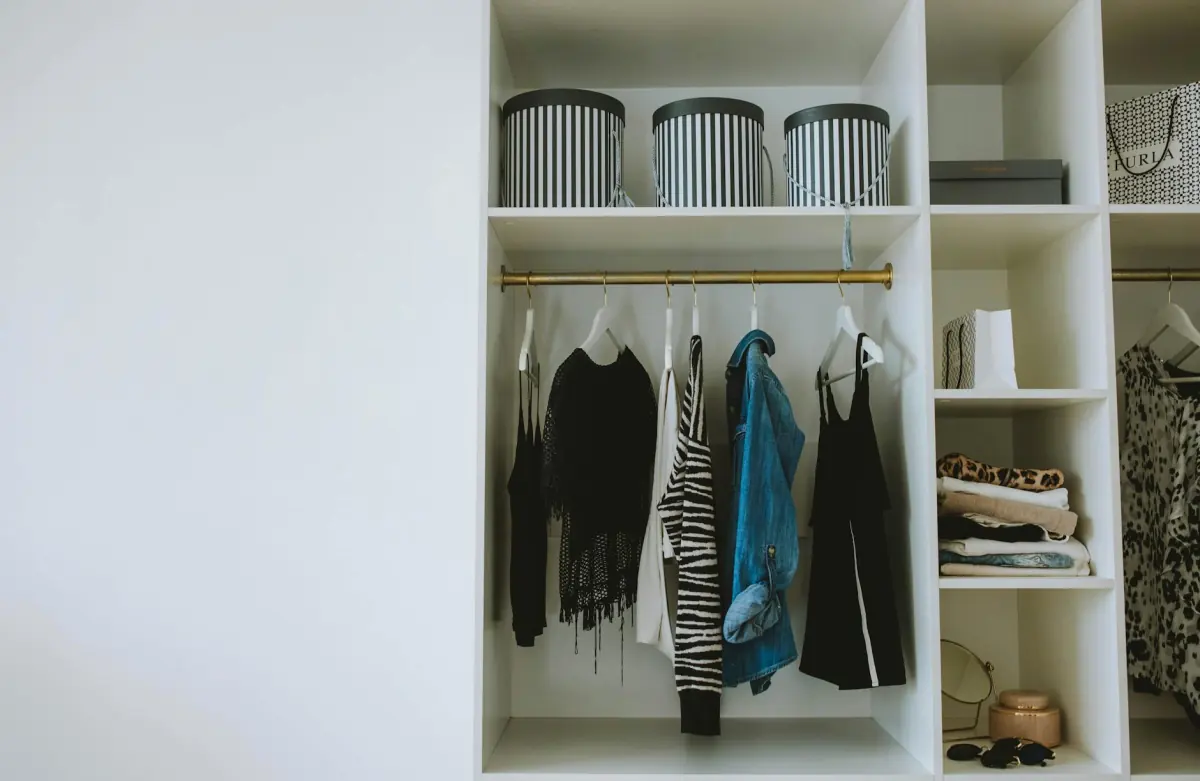
A practical storage system should reduce daily friction, not create a new chore list.
Why storage fails in otherwise tidy homes
Many people assume clutter is a discipline problem, but it is usually a system problem. Even tidy homes drift into disorder when categories are unclear, access points are inconsistent, and storage decisions change every week. Without a repeatable structure, items migrate and retrieval time rises.
A practical system reduces decisions. When each category has a known home and each area has a clear purpose, daily tidying becomes faster and less frustrating.
Start with category mapping, not container shopping
Buying bins before mapping categories is one of the most common mistakes. Containers cannot fix unclear ownership. Begin by listing your recurring item groups: cleaning supplies, pantry backups, cables, tools, paperwork, seasonal items, and daily essentials.
Once categories are defined, assign each one a primary storage zone. This prevents duplicate piles across multiple rooms and makes retrieval predictable.
Use access-frequency zones
Every home benefits from access tiers. High-frequency items belong in easiest-to-reach zones. Medium-frequency items can sit one step further away. Low-frequency items move to upper shelves or deeper storage areas.
This simple zoning model improves both speed and comfort. You avoid constantly moving boxes to reach common items and reduce wear on daily-use areas.
Standardise containers where possible
Mixed container sizes create dead space. Standardising key container footprints lets you stack safely and use vertical space more effectively. You do not need one brand or aesthetic system — you need dimensional consistency.
Transparent or lightly labeled containers reduce search time and lower the chance of duplicate purchases. The objective is operational clarity, not visual perfection.
Build vertical capacity without overloading shelves
Vertical space is often underused, especially in utility areas and closets. Add shelving or stackable solutions only after checking weight limits and access practicality. Storage that looks efficient but is hard to use will not last.
A good rule: if you cannot access an item in under thirty seconds, the setup needs adjustment. Efficiency should be measurable in use, not just appearance.
Label for behavior, not for decoration
Labels work when they match how household members think. Use plain language and category names that people naturally use. Overly clever labeling tends to fail in shared spaces.
Keep labels readable at a glance and placed consistently. The goal is fast decisions and low cognitive load for everyone using the system.
Create a weekly maintenance loop
Storage systems decay when maintenance is rare and overwhelming. A short weekly reset — ten to twenty minutes — is enough for most households. Return items, clear out obvious drift, and flag categories that are overflowing.
Small frequent maintenance protects the system and avoids high-stress cleanups. It also reveals which categories need redesign instead of repeated effort.
Control inflow to protect your gains
Most clutter returns through unchecked inflow: impulse buys, duplicate supplies, and unprocessed packaging. Add a simple intake rule: every new item gets assigned to a category and storage zone on arrival.
If no zone exists, decide immediately whether the item is worth keeping. Inflow discipline is one of the highest-leverage habits in home organization.
Storage planning for small spaces
Small homes benefit from stricter boundaries. Multi-purpose furniture, under-bed zones, and door-back storage can help, but only if category limits are clear. Space-saving tools cannot compensate for unlimited item growth.
Use a one-in, one-out policy in constrained categories. This keeps volume stable and prevents gradual system collapse.
A practical 2-hour storage reset template
0-20 min: category map and quick room scan. 20-60 min: establish access-frequency zones. 60-90 min: container and label setup. 90-120 min: final placement and maintenance checklist.
This template is intentionally simple so you can execute it in one weekend block and refine it over time.
Common mistakes to avoid
Overbuying containers, skipping category definitions, storing by aesthetics only, and ignoring inflow rules are the biggest failure points. Each one increases complexity and lowers long-term consistency.
Fixes are usually small: simplify categories, reduce container variety, and run short weekly maintenance.
Final takeaway
Effective home storage is not about owning more organizers. It is about designing a system that matches real behavior, supports quick access, and survives normal life pressure.
If your storage setup saves time on ordinary days, it is working. Build for everyday usability first, then improve the visuals as a secondary layer.
How to train the whole household into the system
Storage succeeds when everyone can follow it without reminders. Do a short walkthrough once the system is in place and explain category logic in plain language. People support systems they understand.
Assign simple ownership where useful: one person tracks pantry overflow, another handles utility restock, another runs the weekly reset timer. Shared ownership prevents silent drift.
When a category repeatedly breaks, adjust the system instead of blaming behavior. A resilient setup adapts to real use patterns.
Consistency beats strictness. Aim for easy compliance, not perfect compliance.
Measuring whether your storage system is working
Use three practical metrics: retrieval time, misplacement frequency, and weekly reset duration. If retrieval is fast, items return to home zones, and resets stay short, your system is healthy.
If one category keeps failing, simplify it. Reduce item count, reduce container types, or split high-volume categories into clearer subgroups.
Good storage systems are iterative. Keep what works, remove what adds friction, and review monthly with small improvements.
Operational clarity at home frees time and energy for everything else you need to do.
Room-by-room priority order
Not all rooms deserve equal attention at first. Start where friction is highest: kitchen, entry area, and utility spaces. These zones affect daily flow the most and produce immediate quality-of-life gains when organized properly.
After high-friction zones are stable, move to secondary spaces like wardrobes, bathrooms, and work corners. Leave low-impact storage for later so momentum is not lost.
This sequencing strategy helps you see meaningful progress early, which increases follow-through and reduces the chance of abandoning the project.
Prioritization is a force multiplier for household organization.
How to avoid over-engineering
Storage projects often fail because they become too complicated. If your setup needs a manual to operate, it will collapse under normal life pressure. Keep systems obvious and forgiving.
Use fewer categories with clear boundaries instead of many micro-categories. Simpler structures are easier to maintain and easier for guests or family members to follow.
When in doubt, remove one layer of complexity. A slightly less precise system that survives is better than a perfect system that fails in two weeks.
Operational simplicity is usually the smartest long-term choice.
Seasonal rotation without chaos
Seasonal items consume disproportionate space when they remain in prime-access zones year-round. Rotate them by season and move inactive items to low-frequency storage areas.
Create one seasonal checklist for transitions: clothing, outdoor gear, event supplies, and maintenance tools. Checklists reduce forgotten items and repeated searches.
Label seasonal containers with both category and period, for example ‘Winter linens’ or ‘Summer outdoor kit’. This improves retrieval speed and reduces duplicate purchases.
Seasonal rotation keeps high-access zones clean for daily use.
Paperwork and small-item control
Paper and small accessories are common clutter multipliers because they spread quickly and look harmless in isolation. Give both a strict capture system from day one.
For documents, use three states: action, archive, and discard. For small items, assign one clear home by function. Do not let these categories float across rooms.
Weekly processing prevents paper stacks and random drawers from becoming stress points. A ten-minute routine is enough if done consistently.
Control of small categories creates big visible stability in the home.
Low-cost upgrades with high impact
You do not need expensive organizers to build an effective storage system. Basic shelf risers, hooks, clear bins, and simple labels can deliver most of the functional gains.
Spend only after category mapping is complete. Buying tools before understanding flow usually wastes money and adds clutter instead of reducing it.
Prioritize upgrades that improve access and consistency, not just visual appeal. Functional improvements create long-term value.
Cost discipline keeps organization sustainable and repeatable.
How to reset after system drift
Every system drifts. Travel, busy weeks, school cycles, and seasonal changes will create temporary disorder. The goal is not zero drift; the goal is fast recovery.
Use a one-hour recovery protocol: clear surfaces, return high-frequency categories, process inflow, and reassign overflow. This quickly restores the system’s core function.
Do not redesign everything during a drift event. Restore baseline first, then improve in small iterations once stability returns.
Fast recovery capability is what makes a storage system robust.
Final implementation checklist
Define categories. Assign zones by access frequency. Standardize key containers. Label in plain language. Run a weekly reset. Control inflow. Review monthly. If these six habits are active, the system will hold.
Storage is successful when daily retrieval is easy and weekly maintenance is short. Keep the system practical, visible, and repeatable, and it will continue to save time long after the initial setup.
The best storage frameworks are quiet operational upgrades: less searching, less duplicate buying, less stress, and more usable space.
That is the real return on organization — not neat photos, but smoother everyday life.