
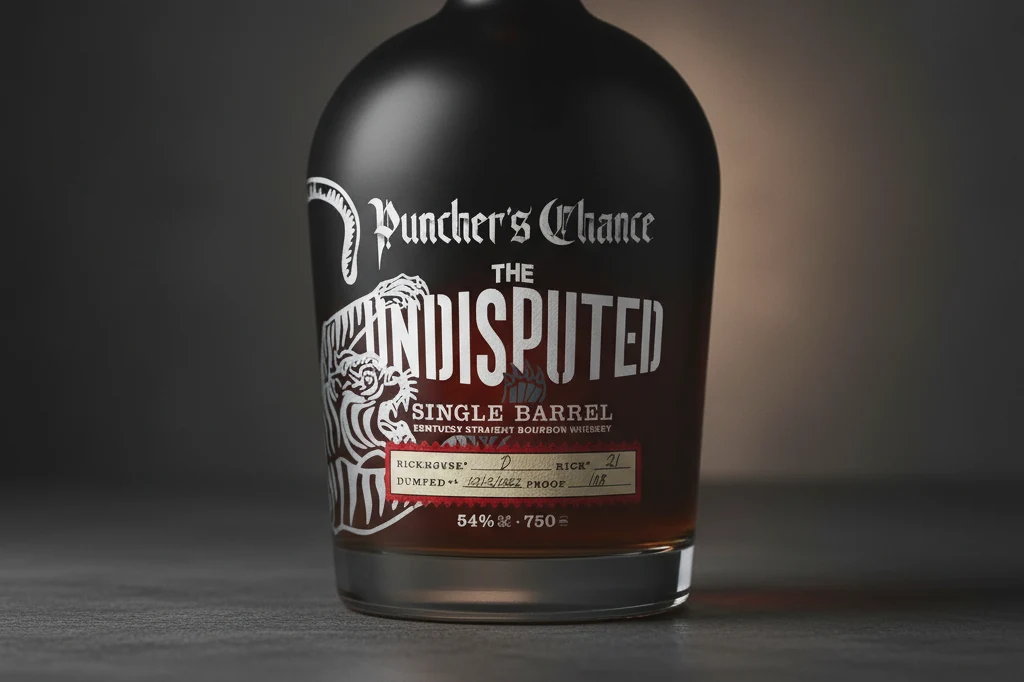
South Africa’s next big spirits story may be the one that never gets aired. The Liquor Amendment Bill B21-2025, pushed into Parliament by the EFF, would try to pull alcohol advertising off TV, radio, print, digital, sponsorships, and even branded public spaces. For whisky buyers, tequila hunters, and anyone who still likes stumbling across a bottle through a film, a post, or a festival pour, that is not a cosmetic change. It is a direct attack on how discovery works.
The market still depends on visibility. A bottle on a shelf can only do so much when the brand behind it is kept invisible. Premium spirits in South Africa are sold through recognition, not just distribution, and once the marketing channel is shut, the bottle becomes a much lonelier object.
The bill that changes the shelf
The proposed ban is broad enough to flatten the normal path from curiosity to purchase. A new Japanese whisky, a small-batch tequila, or a limited bourbon release usually gets its first attention through a mix of retailer listings, social posts, tasting clips, event appearances, and trade content. Remove that, and the bottle has to sell itself in silence.
The current system is already tight. The Liquor Act No. 59 of 2003 sets the legal frame, while the Advertising Regulatory Board enforces the Alcohol Industry Code of Conduct written by Aware.org. That code does not leave much room for sloppy marketing. Ads cannot target minors under 18, actors in alcohol commercials are expected to look at least 25, and brands cannot imply that drinking buys status, popularity, success, or a better love life. Billboards and building wraps cannot sit within 500 metres of schools, community centres, or places of worship. Print, digital, and broadcast ads all need visible responsibility messaging.
Even the zero-alcohol lane is not a loophole. The Drinks Federation of South Africa treats alcohol-free and zero-alcohol marketing as subject to the same guardrails, which makes it harder for brands to smuggle awareness through the back door with a “clean” label.
Why discovery breaks first
The first thing a ban kills is not sales, it is conversation. Spirits buyers do not wake up wanting a bottle they have never seen. They see the label in a reel, spot the bottle shape in a still, hear the producer name at a tasting, and then go looking for stock. That chain is fragile.
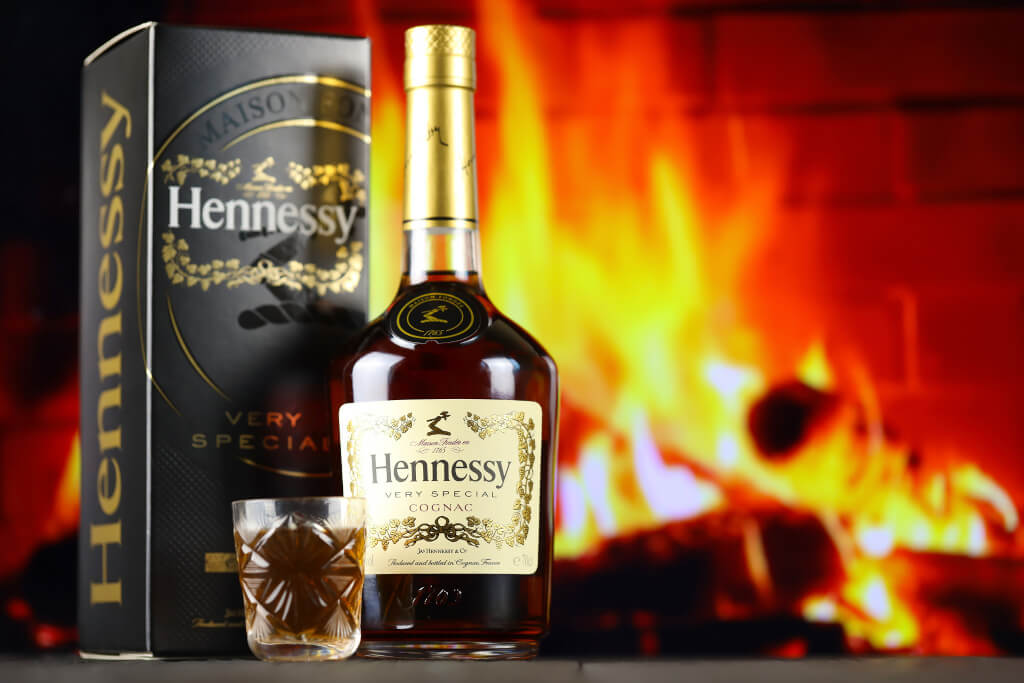
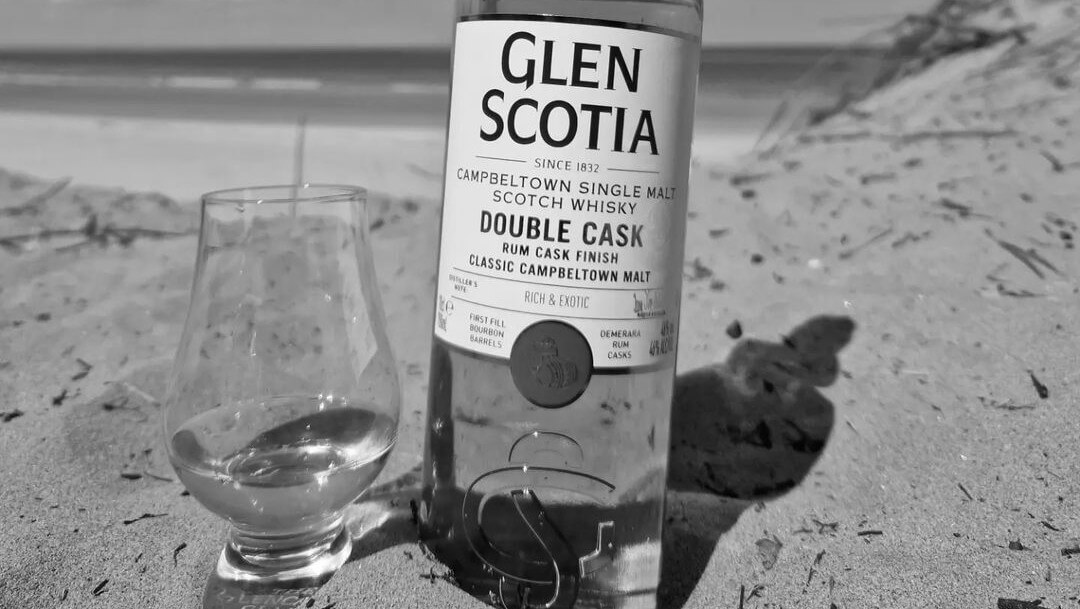
Production partners such as Cape Town stills production and TVC and Brand Film Production in Cape Town have become part of that chain because spirits brands need clean, high-quality visual proof. A well-shot bottle pour, condensation on glass, and the heft of a label can do more than a thousand generic words. Strip away alcohol advertising and you do not just lose media spend. You lose the visual language that teaches consumers what a bottle is supposed to feel like before they open it.
Social media carries a lot of that burden now. The source material points to Liquid Death and Recess as reference points for how beverage brands turn ordinary consumption into content. That logic translates cleanly to spirits. A whisky brand’s tasting notes, a tequila’s agave story, or a single cask release all travel better when packaged as content people actually want to watch. Remove promotion and you make the whole category quieter, duller, and harder to find.
What gets squeezed out
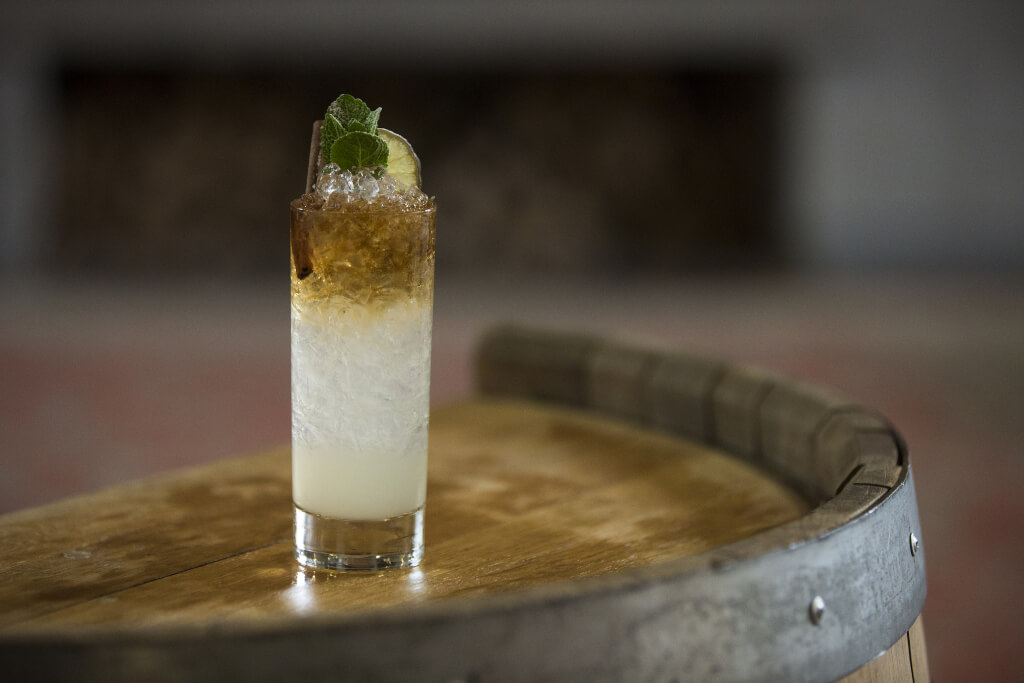
The EFF bill does not only target ads. It goes after sponsorships too, which means sports tournaments, music festivals, and cultural events lose one of their biggest brand-funding engines. Those are exactly the places where South Africans encounter premium spirits without feeling like they are being sold to in the usual blunt way. A festival bar, a branded tasting tent, a pop-up at a food market, a bartender pouring a featured serve, these are the physical touchpoints that turn awareness into trial.
That matters because product packaging can only carry so much weight on its own. The label is the “silent salesperson”, but it still needs a crowd. The 5 P’s, product, price, promotion, place, and people, are already a hard fit for alcohol brands. Remove promotion and the remaining four have to carry more than they reasonably should.
Place becomes the next pressure point. Some brands will lean harder on direct-to-consumer e-commerce, while others will depend on retail and on-trade channels such as bars and restaurants. On shelf visibility will matter more, but even there the bottle is only half the story. A consumer browsing global selections on On The Whiskey needs enough context to understand why a particular expression is worth chasing, and that context usually comes from the very channels the bill would shut down.
Who still gets through
Brands will still try to talk about wellness, reduced sugar, sustainability, organic ingredients, and responsible drinking, because those themes already fit the modern buyer’s headspace. They will also keep using non-alcoholic extensions, provided those products stay clearly separated from the core alcoholic range. The point is trust. If the market starts feeling evasive, the whole category pays for it.
That is the blunt reality here. South Africa already regulates alcohol advertising harder than most consumer categories. The proposed ban does not tidy up a messy market, it threatens to erase the route by which new whisky, tequila, rum, and premium imports become familiar enough to buy. For the consumer, that means fewer discoveries. For the industry, it means a thinner market, weaker launches, and a lot less room for a bottle to earn its place before it ever reaches the shelf.



Join the conversation