
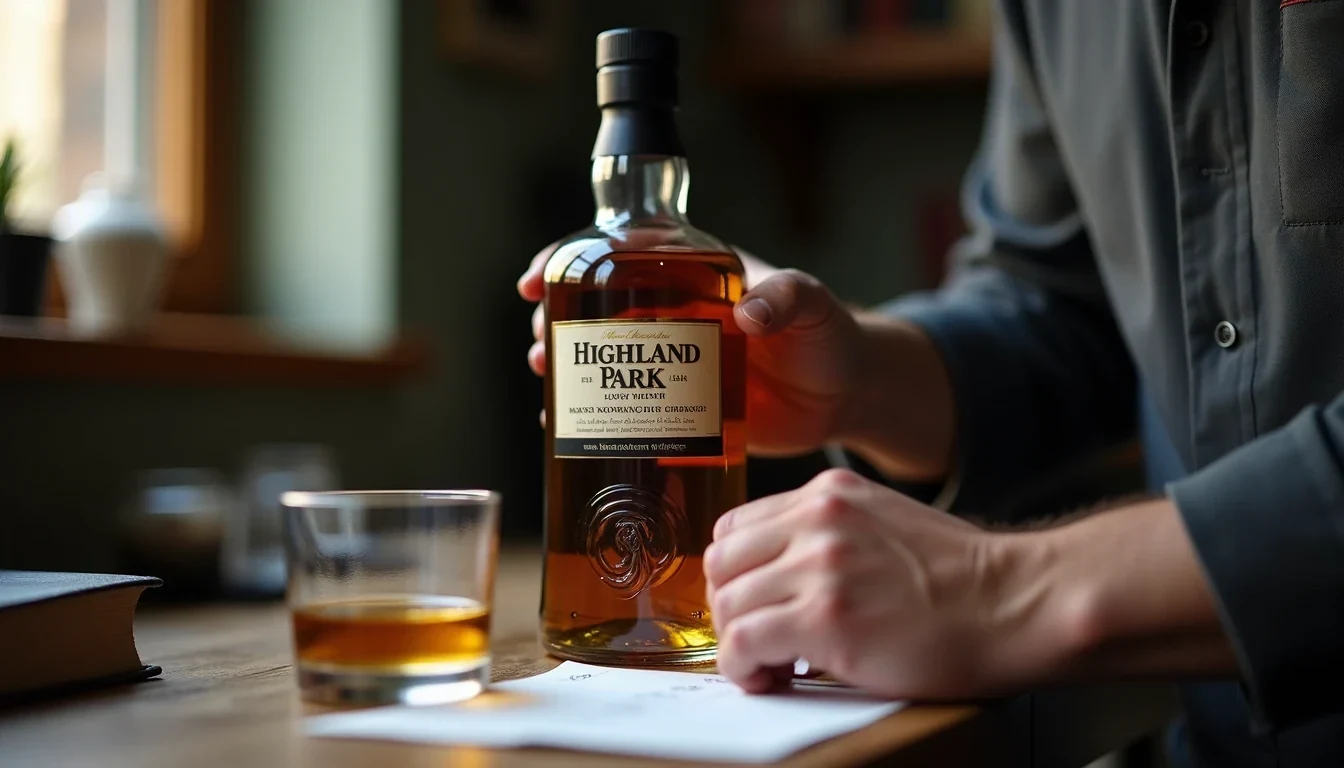
A bottle of Highland Park 18 Year Old sits at R3,199 on WhiskyBrother’s shelves, as does the Arran 21 Year Old. Same retailer, same price, same island provenance. Yet one commands queue-forming restocks while the other lingers long enough for patient browsers to actually consider. The gap between them is not three years of maturation; it is the gap between what South African collectors believe they are paying for and what actually ends up in the glass.
What R3,000 Actually Buys
The R3,000 threshold in South Africa is less a quality gate than a tax and currency event. Import duties on spirits apply a specific excise per litre of pure alcohol, layered with customs duties calculated on value, then 15% VAT applied to the cumulative total. A weaker Rand against the Pound or Euro can push a R2,500 wholesale landing cost past R3,000 before the retailer adds a margin. Warehousing in Durban or Cape Town, insurance against temperature fluctuations, and the specialised knowledge required to sell premium whisky all compound from there.
Global scarcity plays its part too. Distilleries with established allocation systems ration stock to international markets, and South African importers compete with emerging markets where whisky functions as status currency. A significant portion of that R3,000 never touched oak; it touched customs declarations.
Highland Park 18 Year Old as the Safe Bet
Highland Park has distilled on Orkney since 1798, and the 18 Year Old carries that weight without strain. The liquid spends its life in sherry-seasoned European and American oak, emerging with a profile whisky writers have described to the point of cliché: heather honey, dried fruit, a wisp of peat that never dominates. It wins awards predictably and appears on “best of” lists reliably. For collectors, this predictability is itself a feature. A bottle recognised in Johannesburg whisky circles holds value, impresses guests, and requires no explanation.
At R3,199, the Highland Park 18 offers 18 years of warehouse time, substantial brand equity, and the security of consensus. The packaging reinforces this: substantial glass, the distinctive angular bottle, a presentation box that photographs well on social media. You are paying partly for liquid, partly for the absence of risk.
Arran 21 Year Old and Those Additional Three Years
Arran distillery, established in 1995 on the Isle of Arran, lacks Highland Park’s two-century narrative. It offers three extra years in cask for the same money. The 21 Year Old matures in a combination of ex-sherry and ex-bourbon casks, yielding a different architecture: more tropical fruit, more spice, a textural weight that comes from extended interaction with wood rather than from peat influence.
Those additional three years mean the Angel’s Share, evaporation through the cask, has taken a greater toll. Warehouse space has been occupied longer. Capital has been tied up since the early 2000s. In pure production economics, older whisky costs more to produce, yet Arran prices this expression identically to Highland Park’s younger offering. The distillery is effectively trading reputation for age, asking collectors to value maturation over marketing.
Where the Value Splits
For South African enthusiasts, the choice maps onto collecting temperament. Highland Park 18 rewards those who want recognition without explanation, who view bottles partly as social currency, and who prioritise resale liquidity. The brand’s presence in duty-free channels and international awards circuits ensures continued visibility.
Arran 21 suits a different collector: one who has already owned the famous names, who values age statements as honest accounting of warehouse time, and who prefers discovery to confirmation. The lower profile means harder sourcing, some retailers stocking it intermittently, but also less likelihood of encountering the same bottle at every braai among enthusiasts.
Availability itself becomes a factor. Highland Park’s distribution through major South African importers ensures relatively consistent stock at specialist retailers. Arran moves through narrower channels, sometimes appearing at independent bottle stores in Cape Town or Johannesburg before selling through. The hunt is part of the value proposition for some, an inconvenience for others.
The Verdict for Shelves
Neither bottle represents a miscalculation at R3,199. The Highland Park 18 delivers exactly what its price promises: proven quality, established prestige, a profile calibrated for broad appreciation. The Arran 21 delivers something the price obscures: more time, more scarcity, more distinctiveness, at the cost of recognition.
South African collectors at this price point are ultimately choosing between two different definitions of premium. One measures value in brand assurance. The other measures it in years, cask interaction, and the particular pleasure of pouring something that prompts the question rather than answering it.

Join the conversation