
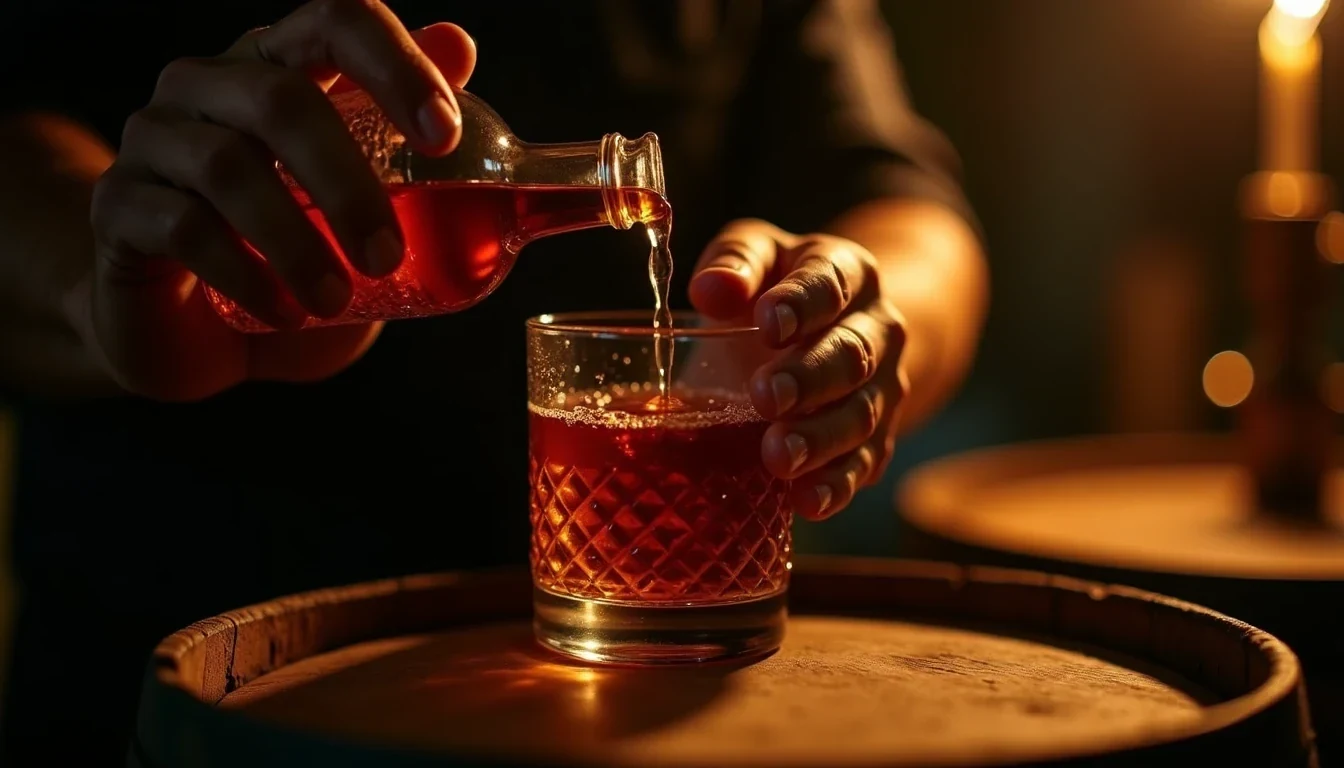
You can spend R350 on Bain’s Cape Mountain Whisky and walk away with a perfectly respectable bottle. The question is what happens when you triple that spend, and whether the liquid in the glass changes enough to justify the outlay. South African whisky has matured past the point where local bottles were automatically the budget option. Distilleries now release expressions at R1,000 and above that compete on technical grounds with imported premium whisky. The gap between everyday and exceptional has become genuinely interesting to map.
What R1,000 Actually Buys You
The jump from mainstream to premium South African whisky is not marketing inflation dressed up as craft. Several concrete production decisions separate the two tiers; they are visible on the label if you know where to look.
Age statements are the most obvious marker. Bain’s Cape Mountain Whisky carries no age statement, and Three Ships 5 Year Old Premium Select wears its five years openly but modestly. Cross into premium territory and you find Three Ships 10 Year Old Single Malt, James Sedgwick Distillery 12 Year Old releases, and various Boplaas expressions that have spent a decade or more in cask. That additional time costs the distillery volume through evaporation, the so-called angel’s share. It concentrates what remains. The result is whisky with more layers to unpick, where the initial sweetness gives way to mid-palate developments that younger spirits cannot manage.
Cask finishing is where South African distilleries have become genuinely experimental. Mainstream releases typically rely on ex-bourbon barrels, which deliver reliable vanilla and toffee notes. Premium bottles from James Sedgwick Distillery and Boplaas regularly finish in ex-Pinotage, ex-Muscat, ex-Port, or virgin oak. These are not novelty additions. A Pinotage cask imparts red wine tannins and dark fruit, which reshapes the whisky’s structure entirely. Muscat and Port finishes push the spirit toward dried fruit and nut profiles that read closer to certain Highland single malts than to the clean, grain-forward character many associate with local whisky.
Alcohol by volume tells its own story. Bain’s and standard Three Ships sit at 43%. Premium releases routinely hit 46% and climb toward cask strength at 50% or above. That higher ABV preserves more of the original distillate character and gives the drinker control. Add water gradually and the whisky opens in stages, revealing compounds that would have been fixed and hidden at lower bottling strength.
Single-cask and small-batch status completes the picture. Mainstream blends are designed for consistency, batch after batch. A single-cask release is what came out of one specific barrel, unrepeatable, with the bottle number marked on the label. For collectors and serious drinkers, that provenance has independent value. You are buying a particular moment in a particular warehouse, not a brand profile.
The Bottles That Make the Case
Bain’s Cape Mountain Whisky, at roughly R350, is a single grain matured in first-fill American oak. It delivers sweetness, tropical fruit, and a clean finish that works well in mixed drinking or as an uncomplicated dram. Three Ships 5 Year Old Premium Select, around R400, adds light smoke and dried fruit through its blended malt construction. Both are honest whiskies that do what they promise.
The Three Ships 10 Year Old Single Malt, priced between R900 and R1,200 depending on retailer, changes the conversation. Extended aging and sherry cask influence produce dried apricot, dark chocolate, and oak spice with a finish that lingers properly rather than fading. This is a different category of drinking experience, one that asks to be tasted slowly rather than poured generously.
Above R1,500, James Sedgwick Distillery limited editions and Boplaas Single Malts operate in genuinely rarefied air. A James Sedgwick 12 Year Old with ex-Pinotage finish carries red wine depth, complex spice, and an evolving finish that continues to shift after swallowing. Boplaas expressions finished in Port or Muscat casks, often between R900 and R1,500, layer dried fruit and nut characteristics with the distillery’s own malt backbone. These are bottles you open for a specific reason, not default pours.
Would You Actually Pay the Difference?
The social question that frames this comparison is deliberately uncomfortable. For a drinker accustomed to blends, the premium tier demands a shift in approach. Younger, blended whiskies are built for accessibility. Their flavours arrive immediately, settle quickly, and do not require attention. Premium single malts and single grains reward the opposite behavior. Nose before tasting. Take small sips and let the liquid coat the palate. Note how the flavor progresses from arrival through development to finish. For higher ABV expressions, add water drop by drop and watch the profile expand.
The value proposition is not efficiency. A R350 bottle that delivers predictable pleasure has its own logic. The R1,200 bottle offers complexity that reveals itself over multiple sessions, exclusivity that connects you to a specific production run, and the sense that you are drinking the result of deliberate, time-intensive craft rather than industrial consistency.
For South African buyers specifically, an additional consideration exists. These are local whiskies that can stand beside imported premium bottles without apology. The technical sophistication on display, the cask experimentation, the willingness to release at cask strength all represent a domestic industry that has moved beyond its training wheels phase. Paying the premium is partly a vote for that continued development.
Where to Start If You Are Curious
The safest entry point is the Three Ships 10 Year Old Single Malt. It is widely stocked by major online liquor retailers and specialist bottle stores in Johannesburg, Cape Town, and Durban. Its price hovers close enough to the R1,000 threshold that the jump feels manageable. It demonstrates what extended aging does without demanding the full commitment of a limited release.
From there, the James Sedgwick Distillery limited editions and Boplaas Single Malts represent the next step, though availability is spottier and requires more active hunting. Check specialist retailers and importer lists rather than supermarket shelves. These bottles move quickly and often do not restock.
The Bain’s and standard Three Ships remain where they belong, as solid everyday options. But the gap between them and what South African distilleries can achieve at higher price points has become too wide to ignore. The question is no longer whether local premium whisky is good enough. It is whether your palate and your budget are ready to meet it.




Join the conversation